
Fiberglass & Carbon Fiber Specialists
- Home
- Fiberglass & Carbon Fiber Specialists
Precision Repairs Built for Strength
Composite Repair & Restoration Services in Crawley & Horley
When composite materials crack, delaminate, or break down, the repair must be done right to maintain structural integrity. At 2&4 Precision Bodywork, we specialise in professional composite repair across carbon fibre, fibreglass (GRP), and composite bonding for performance vehicles, motorhomes, and specialist applications.
Based in Horley, just minutes from Crawley, we serve customers across Surrey, West Sussex, and beyond. Our workshop handles the complex restoration work that most standard bodyshops turn away. We use precise resin systems, meticulous surface preparation, and controlled conditions at every stage because with composite materials, there is no room for shortcuts.
Specialist Composite Repair
Restore Structural Integrity & Performance
Whether you need structural carbon fibre repairs or cosmetic GRP restoration, we deliver results built to last. Get in touch with our Horley workshop today.
Our Composite Repair Services
We carry out a full range of composite repairs on carbon fibre, fibreglass, and hybrid materials:
Carbon Fibre Repair
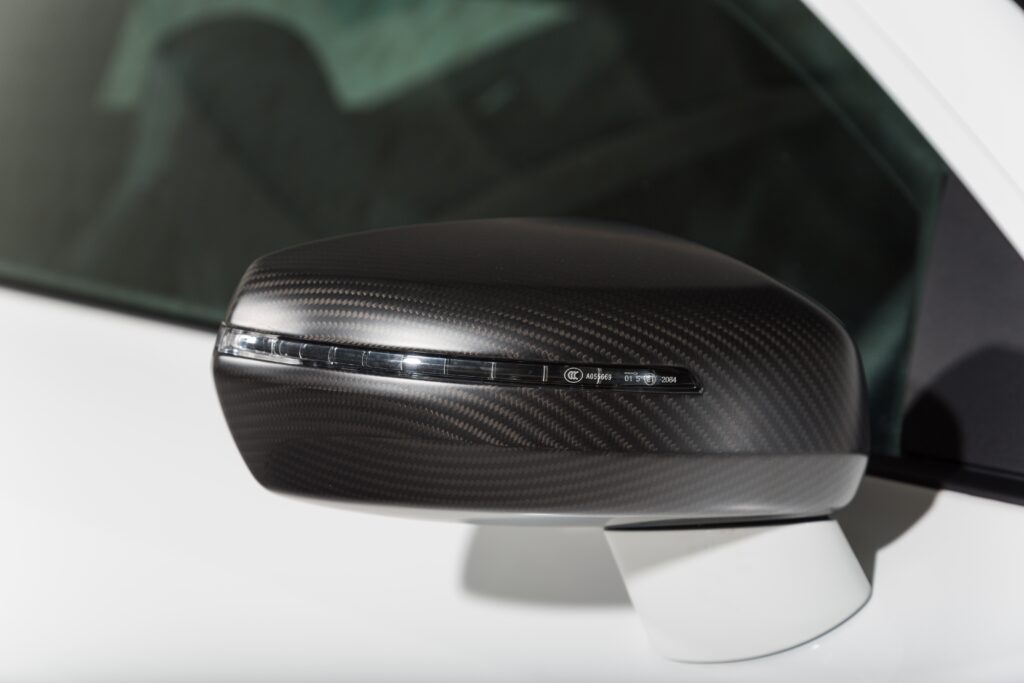
Cracks, chips, and delamination on carbon fibre panels are repaired using matched weave orientation, correct material weight, and the right resin system. The structural integrity and surface finish are both fully restored.
Fibreglass (GRP) Repair
From stress cracks in automotive bodywork to large-format GRP structures on motorhomes, we repair fibreglass at the laminate level, not just the surface. The structural issue is fixed first — cosmetic finishing follows.
Structural Composite Repairs
Where load-bearing or safety-critical composite sections have been compromised, we address the damage at depth. Laminate layers are re-bonded or replaced under controlled conditions, not patched over.
Cosmetic Surface Restoration
Surface damage, including gel coat chips, crazing, scratches, and scuff marks, is repaired and finished to a clean, seamless standard.
Composite Bonding Repair
Failed adhesive connections and delaminated bonds are re-prepared and re-bonded using professional-grade structural adhesives, applied and cured correctly from the start.
What is Composite Repair?
Composite repair is the process of restoring damaged composite materials, such as carbon fibre and fibreglass (GRP), back to their original strength and appearance. Composites are strong and lightweight, but they can crack, delaminate, or suffer surface damage under impact or stress.
Proper repair involves preparing the damaged area to the correct standard, applying compatible materials with the right resin system, and restoring both the structural and cosmetic integrity of the component. Done correctly, composite repair is durable, cost-effective, and widely used across automotive, motorhome, and commercial vehicle applications.
Benefits of Composite Repair
Cost-effective
Professional repair is significantly cheaper than replacing composite components.
Extends lifespan
A correctly executed repair adds years to the useful life of the component.
Maintains structural integrity
Properly repaired composites perform as intended under real-world load and stress.
Lightweight and durable
Compatible repair materials preserve the weight advantages of the original composite.
Why Choose Us
Why Choose 2&4 Precision Bodywork for Composite Repairs
Skilled Technicians
Our specialists have hands-on experience working with carbon fibre, GRP, and composite bonding materials across a wide range of applications. We carry out the work that most shops turn away.
Advanced Tools and Materials
We use vacuum bagging, correct resin systems, and professional-grade structural adhesives. The tools and materials match what the job actually requires.
Fast Turnaround
We work efficiently without cutting corners. Most repairs are assessed and scheduled quickly, so your vehicle or component is back in your hands as soon as possible.
Cost-Effective Solutions
Composite repair is almost always significantly more affordable than full component replacement. We help you get the best result from the parts you already have.
Local Expertise
Based in Horley and trusted by customers across Crawley, Reigate, Redhill, Gatwick, and Horsham, we offer a personal, professional service from a team that knows this area.
Every composite job at 2&4 Precision Bodywork follows the same structured approach:
Our Repair & Fabrication Process
how we do
01 📋
Step 1 — Assessment and Consultation
We inspect the damage thoroughly and discuss the repair scope with you. We give you an honest view of what is required and what the outcome will look like before any work begins.
02 🔧
Step 2 — Preparation
Correct surface preparation is where composite repair is won or lost. We prepare the affected area to the standard that the material and the adhesive system actually require.
03 🧱
Step 3 — Structural Repair
Whether the job is a carbon fibre panel repair, a GRP laminate restoration, or restoring a damaged component, the structural issue is resolved first — every time.
04 🔗
Step 4 — Bonding and Cure
Bonding is performed under controlled environmental conditions. Vacuum bagging is applied where the laminate quality demands it — removing entrapped air and improving the fibre-to-resin ratio throughout cure.
05 ✨
Step 5 — Surface Finishing and Handover
Once the structural work is complete, we sand, shape, and refinish to a factory-level standard. We carry out a full quality check before handover.
Carbon fibre and fibreglass are high-performance materials found across automotive, motorhome, and commercial applications. Repairing them correctly is not a job for a standard body shop.
Carbon fibre has directional strength. If the repair does not respect the original layup orientation and match the correct resin system, the structural properties of the panel are fundamentally altered. We match every repair to OEM specification correct weave pattern, correct material weight, and correct resin without compromise.
GRP fibreglass requires understanding how the laminate is structured, especially on larger-format items like motorhome bodies. We work with the full thickness of the material, not just the surface, and use the layup approach the component actually requires.
If you are looking for carbon fibre repair specialists near me or need reliable GRP repair services in Horley, our team is equipped and ready to help.
Carbon Fibre & Fibreglass Composite Repair
For customers in Horley itself, our workshop is right on your doorstep. We carry out GRP repairs in Horley, carbon fibre panel restoration, structural laminate repair, and composite bonding work all in our dedicated Horley workshop on Norwood Hill Road.
We are a trusted local name for composite repairs in Horley and have built our reputation on doing the job properly every time. If you need composite fabrication in Horley or specialist composite repair work, give us a call or drop us a message, and we will get back to you promptly.
Composite Repairs in Horley
If you are searching for affordable composite repairs in Crawley, 2&4 Precision Bodywork is your closest specialist. Our Horley workshop is just a short drive from Crawley, and we regularly work with customers from across the town on carbon fibre, GRP, and bonding repair projects.
From automotive composite panels to motorhome GRP bodywork, our composite fabrication in Crawley and repair service covers the full range. Contact us today to arrange an assessment or request a free quote.
Composite Repairs in Crawley
Area we serve
95+
VEHICLES SUCCESSFULLY REPAIRED AND RESTORED
✔️
INSURANCE-APPROVED REPAIR CENTRE
🏆
AWARD-WINNING WORKMANSHIP
CF
FIBREGLASS & CARBON FIBRE CERTIFIED SPECIALISTS
Automotive
Carbon fibre body panels, splitters, diffusers, roof panels, and performance components repaired to OEM specification.
Motorhomes and Campervans
Large-format GRP bodywork repair, delamination treatment, and surface restoration on motorhomes and campervans of all sizes.
Commercial Applications
Composite enclosures, covers, structural panels, and components are used in commercial and industrial settings.
Industries and Applications We Serve
Industries we serve
Ready to Get Started?
Ready to Start Your Campervan Journey?
Turn your van into the ultimate travel companion. Whether it’s a simple upgrade or a full luxury conversion, we’re here to bring your vision to life.

Fiberglass and carbon fiber Specialist
Full respray
Paintless dent removal
FAQS
Frequently Asked Questions (FAQs)
Composite repair is the restoration of damaged materials such as carbon fibre and fibreglass (GRP) to their original structural and cosmetic condition. It involves correct surface preparation, use of compatible repair materials, and proper cure conditions to ensure the repaired area performs as it should.
Yes. Carbon fibre can be repaired effectively when it is done correctly, with matched weave orientation, the right resin system, and proper surface preparation. We always assess the extent of the damage first and give you an honest recommendation on whether repair or replacement is the better option.
Yes. GRP fibreglass repair is one of our core services. We work on automotive GRP panels, motorhome bodywork, and other fibreglass structures, addressing damage at the laminate level for a structural and cosmetic repair that lasts.
In many cases, yes. Surface damage and minor structural issues can often be repaired without replacing entire boards. We will assess the damage and advise you on the most cost-effective solution.
It depends on the size and complexity of the repair. Minor repairs can often be completed within a day. Larger structural jobs or delamination work will take longer, and we will give you a clear timeframe when we carry out your assessment.
The plug is the master pattern from which the mold is made. Every dimensional error, surface imperfection, or tolerance deviation in the plug is carried directly into the mold and reproduced in every component made from it. Getting the plug design right at the outset is the only way to ensure consistent, accurate parts throughout a production run.
Yes. We work with clients across the UK on custom fiberglass fabrication projects, from single bespoke components to more complex structural builds. If you have a project in mind, get in touch to discuss scope, specification, and lead times.
